Thankful for My Cousins: A Timeless Embroidery Design
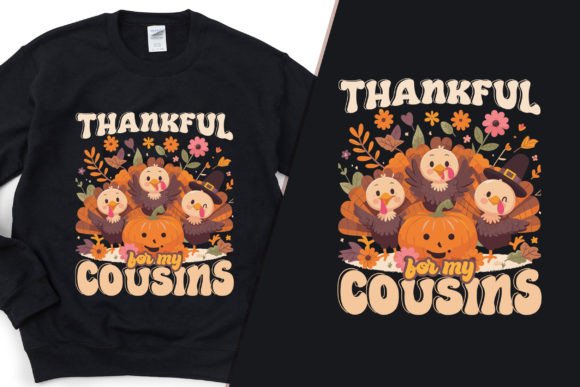
As a designer who evaluates embroidery files for real-world use, my first step is to envision a design stitched onto actual fabric. When looking at "Thankful for My Cousins," I immediately picture it not just on a t-shirt, but on a cozy, washed-grey sweatshirt, destined to be a cherished gift. The phrase itself carries a warm, familial mood—it’s personal without being overly sentimental, and trendy without feeling fleeting. This isn't a loud, graphic statement; it’s a quiet, heartfelt declaration perfect for custom apparel meant to be worn and loved.
The Design’s Natural Habitat: From Totes to Baby Blankets
This design’s strength is its versatility. The layout suggests a balanced, central placement, making it a fantastic candidate for the classic center chest of a sweatshirt or the front panel of a canvas tote bag. I can easily see it embroidered on a soft, knit baby blanket as a personalized gift for a new cousin, or as a subtle, beautiful accent on a linen apron for a family holiday gathering. Its theme is inherently giftable, making it a powerful asset for small shop merchandise, Etsy listings, or craft fair products aimed at thoughtful shoppers.
For boutique branding, if your shop focuses on family or personalized goods, this embroidery file could become a staple in your collection. It speaks directly to a specific relationship, elevating a simple product into a custom, meaningful item. In a real-life scenario, I’m thinking of preparing a set of embroidered tea towels as a wedding gift for a couple with close extended families—this design would be a perfect, enduring touch.
Stitching Considerations: Where to Apply with Care
While the design feels straightforward, its successful application depends on mindful execution. The wording “Thankful for My Cousins” likely involves lettering. On curved surfaces like caps or hats, careful digitization is key to prevent distortion. On thin or stretchy fabrics, like some t-shirts, a robust stabilizer is non-negotiable to maintain stitch clarity and prevent puckering.
For dark fabric backgrounds, thread color contrast is paramount. A simple test on scrap fabric first will reveal if your chosen thread palette pops sufficiently. If the design includes any decorative accents or finer details, dense stitch areas should be reviewed to ensure they don’t become overly rigid on softer materials like baby clothes or blankets. Products destined for frequent washing, like kitchen towels or casual apparel, benefit from a solid satin stitch or fill stitch construction to ensure longevity.
Practical Notes for the Embroidery Designer
- Always hoop your test on the intended fabric type—textured fabric can hide small details.
- Check the stitch density in your software preview; it should be appropriate for the fabric weight.
- Run the design in a black and white mockup to evaluate form over color.
- Compare how it looks on both light and dark background mockups before committing thread.
- Confirm the licensing terms of the digital embroidery file for your use—whether for personal gifts or commercial embroidery projects.
- For an embroidered patch application, consider the border stability of the design.
These steps aren’t just about troubleshooting; they’re about building customer trust. A clean, professional finish on a handmade product directly impacts perceived value and buyer engagement.
Why This Design Adds Value to Your Creative Work
From a professional standpoint, "Thankful for My Cousins" offers more than just a pattern; it offers a context. It helps you create products with inherent emotional resonance. This transforms a standard embroidery project into a finished product that feels special. For creative entrepreneurs and digital product sellers, this also means the design assets serve a clear market niche: people looking to celebrate family connections.
The visual personality is clean and contemporary, which aligns well with current aesthetics without being a passing trend. This supports brand consistency for makers who curate a specific style. When stitched well, with crisp lettering and balanced composition, it reinforces the professionalism of your craft business, whether you’re selling the physical embroidered item or using it in printable mockups for your digital shop.
In essence, this design is a tool for creating connection. It’s not the most complex file you’ll run, but its application, when thoughtful, yields a product that feels both modern and timeless—a combination that’s gold for makers and decorators. My final judgment is that it’s a worthy addition to your library, ready to be translated from digital file to tangible warmth on a sweatshirt, tote, or that perfect holiday gift.