A Retro Valentine Heart Perfect for Sweet Embroidery Projects
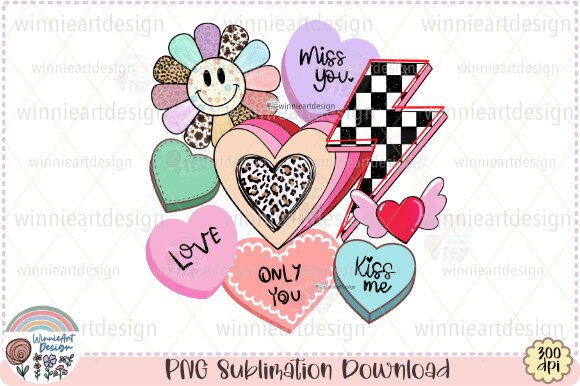
When a new design lands in my inbox, especially one with a strong theme like this Retro Valentine Conversation Heart Candy, my first thought is always practical: How will this actually look when stitched? I’m looking beyond the digital file on my screen, imagining the thread, the fabric, and the final product. This particular graphic immediately evokes a specific, delightful mood.
The Immediate Charm: Nostalgia with a Modern Edge
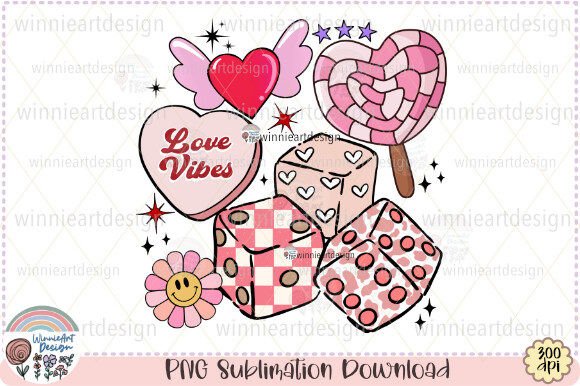
The first impression here is pure, sugary nostalgia. The classic heart shape and the promise of those playful, romantic phrases (“Be Mine,” “Sweet Talk”) tap directly into a collective memory. But as a designer, I see its layout as clean and graphic, which is a huge plus. The bold outline and solid central detail mean it’s not overly fussy. This gives it a visual personality that’s both vintage and crisp—a combination that translates beautifully into embroidery. It feels destined for projects meant to spark joy and fond memories, not just for Valentine's Day but for any personalized gift celebrating love or friendship.
Where This Design Naturally Belongs
In my workshop, I’m already picturing it on a cozy, heavyweight sweatshirt for a custom apparel order, or as a standout feature on a canvas tote bag. The solid forms would make for excellent satin stitch borders and fill stitch centers, creating a lovely tactile feel. It’s also a strong candidate for a standalone embroidered patch, which could then be applied to anything from a backpack to a denim jacket. For crafters and small shop owners, think about boutique kitchen towels, pillow covers in a nursery or guest room, or even as a sweet accent on a baby’s blanket. Its theme makes it a natural for holiday gifts and wedding party favors, but its retro-cool vibe could also work on everyday merchandise for a creative brand.
Performance in Real-Life Embroidery Situations
Moving from concept to hoop, let’s talk about real application. The provided digital file’s high resolution is a good starting point for clear embroidery file conversion. For machine embroidery, the design’s simplicity is its strength on most surfaces. On apparel like t-shirts or caps, the unified shape will handle the curved surface of a cap bill reasonably well, provided the stitch density is managed. On thicker fabrics like sweatshirts or tote bags, it will pop with great definition.
However, its performance hinges on thoughtful execution. On dark fabric, careful thread color selection for the heart’s outline and fill will be crucial to maintain that retro look—bright, contrasting colors will be key. For products needing frequent washing, like tea towels or baby items, ensuring the stabilizer is appropriate and the stitches are secure is paramount to longevity.
Caution Areas: Where to Proceed Carefully
This design has details—namely, the implied text area in the center. When embroidered, tiny lettering can become challenging. If the final embroidery file renders small text, it might get lost or become fuzzy on textured fabrics or in very small hoop sizes. I would advise testing that central detail on scrap fabric first. Also, on thin or stretchy fabrics, the solid fill of the heart could potentially create a dense stitch area that might distort the base material. It’s not a deal-breaker, just a note to use the correct stabilizer and possibly consider a slightly simplified version for those delicate applications.
The Impact on Your Finished Product and Customer
From a business perspective, how a design stitches out directly affects visual appeal and perceived value. A well-embroidered Retro Valentine Conversation Heart Candy has a handmade presentation that feels professional and giftable. Its clear, recognizable theme engages buyers quickly, whether in an Etsy listing photo, a printable mockup for a digital product preview, or on a physical item at a craft fair. For a creative entrepreneur, using such a coherent, charming design can enhance brand consistency if your shop specializes in nostalgic or heartfelt goods.
It builds customer trust because the final product looks intentional and well-crafted. For commercial embroidery projects, like a run of tote bags for a local boutique, this design offers a straightforward, appealing graphic asset that’s likely to resonate with a wide audience.
Practical Notes for the Embroidery Designer
Before you commit this to a client’s project or your own small shop merchandise, do your homework. Always test the design on a scrap of your intended fabric. Check thread color contrast against both light and dark fabric backgrounds—sometimes a design that looks perfect on screen needs adjustment in real thread. Inspect the small details in a test run; ensure any text elements are clear and legible.
Since this is provided as a PNG graphic and not a direct embroidery file, you’ll need to convert it using your software. Pay close attention to the stitch density settings during that process to avoid overly dense fills. Confirm your intended hoop size can accommodate the design with good clarity. And, crucially, always confirm the licensing terms of the digital file before selling finished items or using it in commercial embroidery projects. The product category is listed as Graphics for T-Shirt Designs, so ensure your usage aligns with the seller’s policy.
In short, the Retro Valentine Conversation Heart Candy graphic is a delightful starting point. Its nostalgic theme and clean graphic layout make it a promising candidate for a wide range of embroidery projects. With careful testing and thoughtful application regarding fabric, thread, and stitch settings, it can become a standout feature on custom apparel, personalized gifts, and handmade products that truly capture that sweet, retro Valentine spirit.