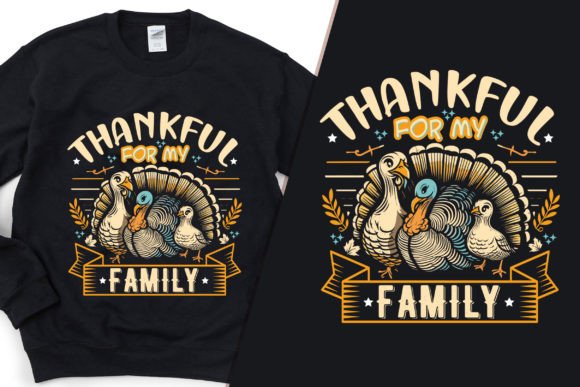
A Designer's Review: The "Thankful for My Family" Embroidery Design
As a designer who regularly translates digital files into physical, stitched products, my first task with any new design is to visualize it beyond the screen. The "Thankful for My Family Classic T-Shirt" design immediately presents a warm, classic sensibility. It’s not a trendy, flashy graphic; it’s a heartfelt statement with a timeless layout. The central theme is clear and uncluttered, creating a mood of sincere appreciation. This visual personality feels inherently welcoming and personal, which tells me it belongs on projects meant to convey genuine emotion—a perfect candidate for a custom holiday gift or a keepsake item.
The Natural Habitat for This Stitched Sentiment
When I consider where this design would perform best, my mind goes to projects where the message is the main feature. It has a substantial, balanced presence that would anchor a sweatshirt or a canvas tote bag beautifully. The straightforward layout means it won’t get lost on textured fabrics like a knitted blanket or a waffle-weave kitchen towel. I can vividly imagine it embroidered on the corner of a pillow cover in a family’s living room, or as a heartfelt addition to a baby’s christening gown wrap. For small business owners creating boutique merchandise, this design offers that "gift-ready" appeal without needing extra customization; it’s already a complete, emotional statement.
Real-World Performance on the Hoop
In practical embroidery situations, a design like this needs to maintain clarity. The likely use of satin stitches for the lettering and fill stitches for any decorative elements means stitch density is a key consideration. On a dense fabric like a cap or a structured apron, it will hold its shape well. However, on thin or stretchy fabrics—think a lightweight t-shirt—a robust stabilizer will be non-negotious to prevent puckering and ensure the text remains crisp. The apparent simplicity is a strength; there are no overly intricate, tiny details that might blur or break under the needle, making it suitable for a range of hoop sizes, though a larger hoop will always give you more control for perfect placement.
Where a Careful Approach is Needed
Even with a robust design, there are always scenarios that demand extra attention. If you’re planning to stitch this onto a dark fabric, thread color contrast is paramount. A white or light cream thread would pop, but a poorly chosen mid-tone might muddy the heartfelt message. Layered garments, like a hoodie with a fleece backing, require careful stabilizer selection to manage the extra bulk. While the design doesn’t seem to have dangerously dense fill areas, testing on a scrap of your final project fabric is always the best practice. This is especially true for curved surfaces like caps, where the design’s flat layout needs to adapt to the contour without distortion.
Impact on Value and Customer Connection
From a business perspective, this embroidery design affects more than just the stitch quality. It elevates the perceived value of a finished product. A clean, well-executed "Thankful for My Family" embroidery on a high-quality tea towel or apron instantly feels like a premium, handmade product. It builds customer trust through its professional execution and emotional resonance. For creative entrepreneurs, it supports brand consistency if your shop focuses on family, gratitude, or home-centric themes. The giftability is inherent; it’s a design people buy to give, not just to own. That drives buyer engagement in a very natural way.
Practical Notes from the Worktable
Before loading this file and starting your embroidery project, here are my designer notes. First, always, test on scrap fabric. Use the same material and stabilizer combination you intend for the final product. Check how the design, particularly any lettering, renders in both light and dark fabric mockups—even a simple black-and-white preview can reveal clarity issues. Inspect the design’s small details in your software; ensure corners are clean and stitch directions look logical. Confirm the hoop size you need for your specific project; a design might fit in a small hoop, but a larger one might yield a better result. Finally, and crucially for commercial use, verify the licensing terms of this digital embroidery file. Understand whether it’s cleared for use on finished products you sell or if it’s for personal use only. This step protects your craft business and ensures professionalism from start to finish.
A Scenario: Crafting a Holiday Gift Tote
Let’s walk through a real-life application. Imagine you’re preparing a custom embroidered tote bag as a Thanksgiving gift for a client. The "Thankful for My Family" design is your chosen centerpiece. You select a sturdy, natural canvas bag. You’ll likely use a mid-weight cutaway stabilizer for permanent support. Thread colors? Perhaps a rich burgundy or a deep forest green for a seasonal feel. As you hoop the bag, you consider placement: centered and high enough to be visible when the bag is carried. The stitching completes, and the design presents itself—clean, heartfelt, and perfectly suited to the item’s purpose. The client’s reaction is the final test: it’s not just a bag; it’s a meaningful, crafted gift. That’s the successful translation of a digital design into a real-world product, and this design is built for that journey.
In conclusion, the "Thankful for My Family Classic T-Shirt" design, from a practical embroidery standpoint, is a reliable and emotionally potent asset. It’s versatile enough for a range of projects from baby items to home decor, but it demands the standard careful preparations of any quality embroidery work. Its strength is in its clear message and classic execution, making it a trustworthy choice for hobbyists creating personalized gifts and for small business owners looking to add a universally appealing product to their Etsy listings or craft fair table. Your final step is to pair it with thoughtful materials and precise technique, letting the stitched sentiment speak for itself.