Thankful Mini Fall Doodle Letter Embroidery Design Review
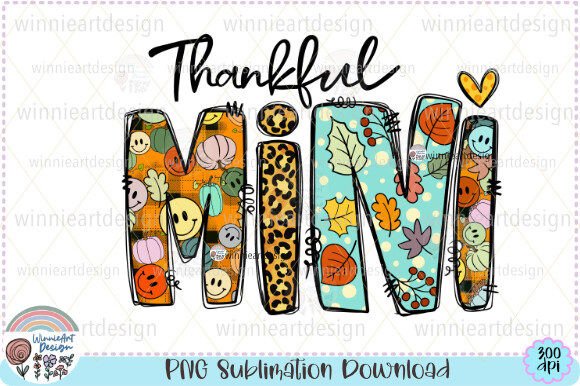
When I first unzipped the Thankful Mini Fall Doodle Letter Cute file, my designer instinct was to imagine it stitched. This isn't just a graphic; it's a potential embroidery project waiting for a hoop. The mood is immediately clear: cozy, grateful, and gently whimsical. The "thankful" text, wrapped in a charmingly imperfect, hand-drawn letter, feels personal. The surrounding mini doodles—a leaf, a little pumpkin, a tiny acorn—aren't overpowering. They're accents, suggesting it’s meant for a smaller-scale, heartfelt piece rather than a bold statement. This tells me it belongs to projects where the message is intimate: a gift, a personal keepsake, or boutique merchandise where warmth is the brand.
Where This Design Shines in Real Projects
Let’s picture a scenario. I'm preparing a custom embroidered tote bag for a small shop’s autumn collection. The Thankful Mini Fall Doodle Letter Cute design comes to mind. Its size and detail level mean it can sit nicely on a bag pocket without overwhelming the fabric. On a sweatshirt, it would be a perfect left-chest or sleeve detail. For baby items, like a blanket corner or a little knit hat, its cute, soft theme fits without being too holiday-specific. As a patch, it would be lovely, but the detail in the letter and doodles requires careful stitch planning to keep clarity.
Thinking commercially, this design has strong giftability. Embroidered on a tea towel or a pillow cover, it becomes a ready-made thankful season gift. For Etsy sellers and craft fair vendors, it translates into products that feel handmade and thoughtful. Its aesthetic supports brands built on authenticity. In a printable mockup for your digital product listings, it shows potential customers exactly the gentle, crafted vibe they’d receive.
Careful Considerations for Stitching Success
This design’s charm lies in its details, which also flag areas for careful use. That tiny lettering and the small doodle elements mean hoop size matters. On a very small hoop, those intricate lines might lose definition if stitch density isn't adjusted. On textured fabrics like a thick sweater or a canvas bag, the fine lines could blend in. I'd be cautious on thin or stretchy fabrics without excellent stabilizer, as the fill areas in the letter could pull.
Dark fabric is a classic test. The design, as provided, is a PNG file with a transparent background. You must ensure your thread color choices create enough contrast against dark backgrounds—a white or light cream stitch might be necessary for the letter to pop. On curved surfaces like caps, the compact layout should work, but positioning over seams could distort the doodles.
For products needing frequent washing, like kitchen towels or baby clothes, the density of the stitching for the filled letter needs to be secure. A loose fill stitch here might wear quicker. Always test on scrap fabric first.
The Practical Impact on Your Craft Business
Using Thankful Mini Fall Doodle Letter Cute isn't just about stitching a pattern; it's about crafting a product with visual appeal. When embroidered cleanly, this design elevates a simple item. It adds a layer of handmade presentation that customers trust. It feels intentional, which builds brand consistency for a maker focusing on seasonal, heartfelt goods. For engagement, it’s a design that prompts a story—"thankful" is a word that resonates, making the finished product more memorable and shareable.
Professionally, it’s a design asset that can be adapted. While categorized under T-Shirt Designs and Graphics, its application is broader for embroidery. However, remember it’s a digital file for embroidery use, not a vector SVG. This means scaling for different hoop sizes requires attention within your embroidery software to maintain the 300 dpi quality at the desired output size.
Essential Designer Notes Before You Hoop It
Before I’d run this embroidery file for a client order or my shop stock, here’s my checklist. First, test it on the actual scrap fabric I plan to use, checking thread color contrast. Review the stitch density in your machine embroidery software—especially for the letter fill and the delicate doodle outlines. Confirm your hoop size can accommodate the design without needing to shrink it so much that details vanish.
Inspect how the small details translate: the little stem on the pumpkin, the curves of the acorn. Run a test in a black-and-white mockup to see if the composition holds its shape without color. Compare how it looks on light and dark fabric backgrounds digitally before stitching. Use proper stabilizer for the fabric type; this isn't a design you want to skimp on stabilizer with.
Critically, check the licensing terms provided with this digital embroidery file. Confirm it's cleared for both personal and commercial projects before selling your finished embroidered items. Since specifics aren't provided in the description, that’s a step you must take.
Final Thoughts on a Grateful Autumn Design
The Thankful Mini Fall Doodle Letter Cute design, in the hands of an embroidery designer, becomes a tool for creating connection. It’s not a flashy, large-scale graphic. It’s a subtle, mood-setting piece that relies on execution. When stitched well on the right product—a cozy sweatshirt, a welcoming home pillow, a personalized gift tote—it fulfills its purpose: to evoke a feeling of grateful warmth. For makers and small business owners, that emotional resonance is what turns a simple embroidered product into a cherished item. Approach it with practical planning, and it will repay you with a beautifully handmade result.