Positive Pant: A Stylish Design for Real Embroidery
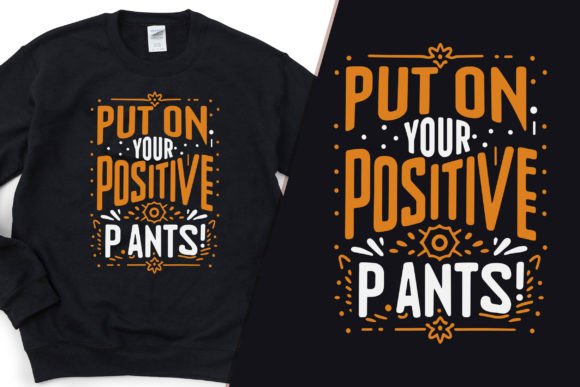
When a new embroidery file lands in my library, my first question isn't about its technical specs. It’s about its soul. What kind of project does it want to become? Today, I’m looking at the Positive Pant Stylish T-Shirt Design, not as a digital graphic, but as a potential piece of stitched art ready for a hoop.
First Impression: Where This Design Naturally Belongs
Opening this design, the mood is immediately clear: playful, confident, and modern. The composition has a balanced, graphic feel that feels destined for apparel. It’s not overly fussy, which is a huge advantage for embroidery. The shapes are defined, and the layout suggests it would sit beautifully as a central motif on a chest or sleeve. My mind instantly goes to a premium cotton sweatshirt or a structured tote bag—items where the design can be a statement, not just a decoration.
For small business owners and Etsy sellers, this visual personality translates to a product that speaks to a contemporary, upbeat customer. It feels like something you’d see in a boutique, on a well-made baby item for a stylish nursery, or as a personalized gift for someone with a bright attitude. The “Stylish” in its name is apt; it carries a current, yet timeless, graphic quality that transcends a basic logo.
In the Hoop: Practical Performance on Real Products
Let’s talk real-life application. Imagine you’re preparing for a craft fair and want a standout embroidered apron or a set of chic kitchen towels. The Positive Pant Stylish T-Shirt Design, with its likely clean lines and defined elements, would stitch out with excellent clarity. On a mid-weight fabric like an apron canvas or a tea towel, the fill stitches would lay down smoothly, creating a professional, handmade presentation that adds real product value.
For client projects, such as custom apparel for a small business or personalized holiday gifts, this design offers strong brand consistency. Its graphic nature means it would remain recognizable and sharp, whether on a black crewneck sweatshirt or a light-colored baby blanket. For apparel decorators, this is key—a design that maintains its integrity across different garments builds customer trust and engagement.
Where a Little Extra Care Comes In
Like any machine embroidery design, success hinges on matching the file to the substrate. While this design looks adaptable, there are always considerations. On very stretchy fabric, like a thin t-shirt, you’d need to be meticulous with stabilizer choice to prevent distortion. If the design has any particularly dense stitch areas, they might feel overly stiff on a drapey garment.
Small, intricate details or tiny lettering within the design would require close inspection during a test stitch. Embroidering on curved surfaces like caps can also challenge a layout meant for a flat plane. Always, always test on scrap fabric first. This simple step tells you everything: how the thread colors contrast with your final fabric, whether the stitch density is appropriate, and if your chosen hoop size captures all the details without compromise.
From Digital File to Finished Product: The Maker's Journey
Transitioning a digital embroidery file to a sellable finished product is where your skill meets the design’s potential. For Positive Pant Stylish T-Shirt Design, think about its giftability and professionalism. Stitched onto a high-quality pillow cover, it becomes a home decor item. On a robust tote bag, it’s a functional, fashionable accessory. For a digital product seller offering printable mockups or design assets, this graphic would serve as a strong, clean visual in a product preview.
Its appeal for commercial embroidery projects is evident. It feels like a design that could work for a series of products—a cohesive line for your craft business from sweatshirts to patches. This kind of versatility is gold for creative entrepreneurs looking to build a recognizable shop collection.
Your Essential Embroidery Designer Notes
Before you commit this design to a final project, run through this practical checklist. These are the habits that separate a good result from a great one.
- Stitch it out on a scrap of your intended fabric. Observe the satin stitches and fills.
- Check thread color contrast against both light and dark fabric backgrounds. Sometimes a design pops on one and fades on another.
- Review the overall stitch density. Is it suitable for your fabric’s texture? A thick towel can handle density; a delicate baby garment might need a lighter touch.
- Confirm the minimum hoop size required to capture all design elements clearly.
- Inspect any small details or corners in your test stitch to ensure they’re clean and not frayed.
- Consider creating simple black and white mockups to see the pure shape and layout, divorced from color.
- Use the proper stabilizer for your fabric type—this is non-negotiable for clarity.
- Crucially, verify the licensing terms for this embroidery file before selling any finished items or digital products. Know your rights for personal versus commercial use.
The Final Verdict: A Design Ready for Your Creativity
The Positive Pant Stylish T-Shirt Design presents itself as a robust, stylish graphic ready to be translated into thread. Its first impression suggests it belongs on modern, statement-making items—from boutique merchandise to personalized gifts. In the hoop, its performance will depend on your thoughtful application: pairing it with the right fabric, product, and preparatory steps.
For embroidery designers, small business owners, and makers, this design isn’t just a file; it’s a starting point. It has the visual appeal to attract buyer engagement and the structural feel to stitch out with professionalism. Your job is to bring it to life on the product that fits its personality best. Whether that’s a custom embroidered patch, a holiday gift apron, or a line of sweatshirts for your Etsy shop, this design offers a solid foundation. Now, it’s waiting for your hoop, your thread, and your next great project.