Cats and Books: A Cozy Design for Real-World Embroidery
When a new embroidery file lands in my library, I always ask myself the same question: will this design translate beautifully into thread? Not just on screen, but on actual fabric, in a hoop, under the needle. I’ve been stitching custom apparel and products for clients for years, and that practical lens is everything. So, let’s take a closer look at Cats and Books, that retro wavy design, and see how it holds up for real project use.
The Immediate Mood: Comfortable, Whimsical, and Nostalgic
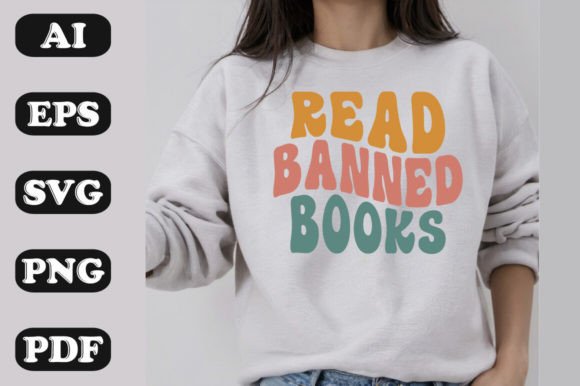
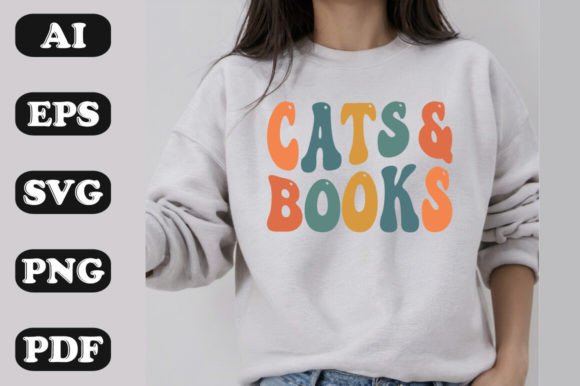
The first impression of Cats and Books is one of cozy nostalgia. The wavy, playful layout and the charming theme create a warm, whimsical mood. It doesn’t feel aggressive or overly trendy; it feels familiar and friendly. That visual personality is its biggest strength. It tells a story without words—a story of quiet afternoons, curled-up companions, and beloved stories. For embroidery designers and makers, this is golden. You’re not just selling a graphic; you’re selling a feeling, which is the heart of a handmade product.
In terms of shape and detail level, the design appears to have a balanced layout. It’s not overly dense, which is a good sign for embroidery. Extremely detailed areas can become a muddled mess of stitches if the file isn’t optimized. This looks like it belongs naturally on items where comfort and personality are key. Think of a soft, brushed cotton sweatshirt for a book lover, or a canvas tote bag for a library regular. The theme begs to be stitched onto something tactile and personal.
Where Cats and Books Excels in Real Projects
Let’s imagine a real scenario. A client requests a custom gift for a friend who just opened a small bookstore. They want an embroidered apron for the owner, something unique and branded. Cats and Books immediately springs to mind. The retro vibe aligns with a curated, indie shop feel. On a medium-weight cotton apron, the design would stitch out with clear definition. The wavy elements could be beautifully rendered with a smooth satin stitch, while the larger areas might use a efficient fill stitch. The result would be a professional, heartfelt product that enhances the shop’s brand consistency.
This design’s appeal stretches far beyond that one case. For crafters and Etsy sellers, it’s a versatile asset. It naturally fits:
- Custom apparel: Think beyond basic t-shirts. On heavyweight hoodies or long sleeve tees, the design gains substance.
- Home decor items: Pillow covers in a reading nook, tea towels in a kitchen, or subtle nursery decor.
- Personalized gifts: Embroidered on a blanket for a cat-loving bibliophile, or as a patch sewn onto a denim jacket.
- Small shop merchandise: For creative entrepreneurs selling at craft fairs, this design on tote bags or caps has high giftability and recognition.
The key here is that the theme is universally understood and appreciated. It doesn’t require explanation. That directly affects buyer engagement when you list the finished product. Customers see the story and connect emotionally, which builds trust in your handmade presentation.
A Note on Commercial Use and Digital Products
As a graphics file included in the T-Shirt Designs category, Cats and Books is clearly intended for decoration. For digital product sellers offering printable mockups or other design assets, the clean vectors (like the mentioned AI file) are crucial. However, for embroidery-specific commercial use—where you stitch and sell the physical item—you must confirm the licensing terms yourself. Never assume. Check if the license permits selling the embroidered finished product. This step protects your craft business and your client relationships.
Considerations for Stitching Success
Even with a charming design, execution matters. How will Cats and Books perform under the needle? Here are the practical situations where you need to plan carefully.
On textured fabrics like a nappy sweatshirt or a looped towel, the design’s clarity could soften. The wavy lines might lose their crisp edge. Using a proper stabilizer is non-negotiable here. On thin or stretchy fabric, such as a tank top, the stitch density needs to be appropriate to prevent puckering or distortion. Always test on a scrap piece of the actual project fabric first.
Dark fabric backgrounds present a classic challenge. The design’s mood might rely on lighter, brighter thread colors. Review your thread color contrast before committing. Would a white or cream satin stitch on a black tee still convey that cozy, retro feel? Possibly, but test it. Similarly, on curved surfaces like caps, the design’s layout needs to adapt. Check the scale and hoop size required. You don’t want critical details, like tiny lettering if present, getting lost on a small cap front.
For products that need frequent washing, like baby clothes or kitchen towels, consider the stitch type and density. A very dense fill stitch area might feel stiff and wear differently. Aim for a balance that ensures durability without compromising the softness of the garment.
Practical Designer Notes Before You Hoop Up
My routine before any client project or new product line involves a few checks. For Cats and Books, I’d recommend the same.
- Always run a test stitch on scrap fabric. This reveals everything: actual stitch density, thread consumption, and how small details like the cats’ features emerge.
- Inspect the design in both black and white mockups. This helps you visualize it on light and dark backgrounds without stitching.
- Confirm the hoop size needed. The description doesn’t specify, so you must check the embroidery file itself to know if it fits a small 4x4 hoop or requires a larger field.
- Analyze the design for potential tricky corners or extremely dense decorative accents. These areas might need a slower stitch speed or adjusted tension.
- Finally, think about the end product’s value. A well-embroidered, thoughtful design like this on high-quality material elevates the product’s perceived value and professionalism immensely.
The Final Verdict for Makers
Cats and Books is a design with strong emotional resonance. Its retro wavy style and beloved theme make it a compelling choice for a wide range of embroidery projects aimed at a thoughtful audience. For apparel decorators, small business owners, and hobbyists creating personalized gifts, it offers a clear path to a finished product that feels special and handcrafted.
Its success, however, hinges on your practical embroidery skills. Pay attention to fabric choice, stabilizer use, and thorough testing. By marrying the design’s charming mood with technically sound stitching, you create an item that truly stands out—a piece that doesn’t just look good on a screen, but feels even better in someone’s hands.