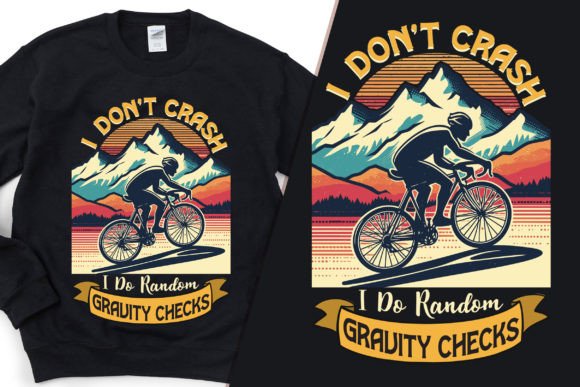
A Practical Look at the Random Gravity Checks Embroidery Design
When an embroidery file lands on my screen for a real project review, I’m thinking about fabric, thread, and the customer’s reaction long before I think about pixels. The Random Gravity Checks Trendy T-Shirt Svg prompts that kind of practical evaluation immediately. At first glance, this isn’t a delicate floral motif or a stern logo; it’s a playful, geometric pattern with a distinct modern personality. The “gravity checks” concept—those scattered, uneven squares—creates a mood of casual, intelligent cool. It feels like a design for someone who values a bit of quirky order, a pattern that’s structured but deliberately imperfect.
The Kind of Project It Calls For
This design has a natural home on more substantial fabrics. My mind goes straight to a heavyweight cotton sweatshirt or a canvas tote bag. The layout, with its scattered elements, needs a stable, smooth surface to really sing. I recently considered it for a custom embroidered tote for a local bookstore’s merchandise—the design’s slightly intellectual, artsy vibe paired perfectly with their brand. On a baby onesie or a thin tee, those isolated squares might feel a bit lost or risk puckering if the stitch density isn’t managed well. Its true strength lies on items where the fabric can support the design’s visual weight: aprons, pillow covers, or even a well-made kitchen towel for a modern home.
Where Stitching Might Need Extra Attention
In real-life embroidery, the devil is in the details. For the Random Gravity Checks Trendy T-Shirt Svg, the isolated squares are the main concern. On a curved surface like a cap, those individual elements could distort unless the stabilizer is absolutely perfect. On textured fabrics like a knitted blanket, the clean edges of each check might lose their crispness, blending into the fabric texture. This is also a design I’d test carefully on dark fabric; the contrast needs to be high enough so the pattern doesn’t visually disappear. And while it looks simple, the corners of each square are points where stitch buildup could happen—a reminder to always run a test on scrap fabric first with your chosen thread colors.
How It Elevates a Finished Product
From a business perspective, this design adds a specific kind of value. It’s not overly generic, which helps in a crowded marketplace like Etsy or a craft fair. It conveys a sense of curated style, which boosts the perceived value of a handmade product. For a small shop selling modern home goods or apparel, using this design consistently can subtly reinforce brand identity—it’s recognizable without being loud. As a personalized gift, say on a pillow cover or tea towel, it feels contemporary and thoughtful, avoiding cliché. The clean, graphic nature stitches up with excellent clarity, which directly builds customer trust in your craftsmanship. A crisp, well-executed version of this pattern makes any item look professionally done.
A Designer’s Practical Notes Before Hooping
Before committing this to a client’s project, my checklist is straightforward. First, I’ll stitch it out on a mid-weight cotton scrap, the kind I use for tote bags, to see the actual stitch density and how the satin or fill stitches behave in those square elements. I’ll check it in both black and white thread on contrasting backgrounds to judge its versatility. Hoop size is crucial here—you need a hoop large enough to capture a good section of the random pattern for impact, not just one lonely square. I’d also create a simple printable mockup to see how it scales on a digital product preview, important for digital sellers. Most importantly, I always confirm the licensing terms of the embroidery file before selling any finished product or commercial embroidery project. The product description mentions it falls under T-Shirt Designs and Graphics, but the specifics for commercial use are essential to verify directly.
The Final Impression: A Confidently Modern Choice
The Random Gravity Checks Trendy T-Shirt Svg is a design I’d reach for when the project calls for a modern, graphic touch without being minimalist or harsh. Its random layout is inherently forgiving, avoiding the rigidity that can sometimes make geometric embroidery feel cold. In my hands, it becomes a thoughtful choice for a boutique’s line of embroidered pillow covers, a set of kitchen textiles for a holiday gift, or a standout sweatshirt for a small apparel decorator. It won’t work on everything—it demands a compatible fabric and a mindful setup—but where it fits, it adds a distinct and engaging visual personality. That’s the kind of practical judgment that turns a digital file into a beloved, stitched reality.