A Rocky Mountain Design That's Built to Last
The First Impression: A Solid, Timeless Statement
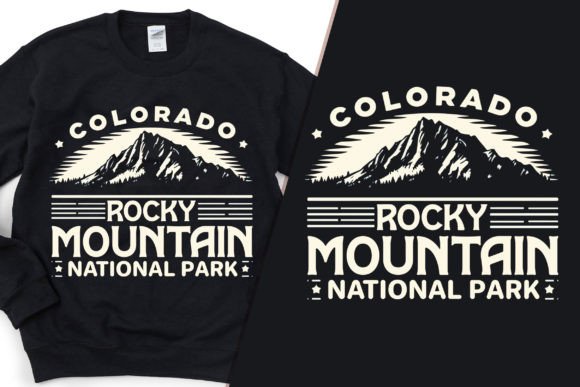
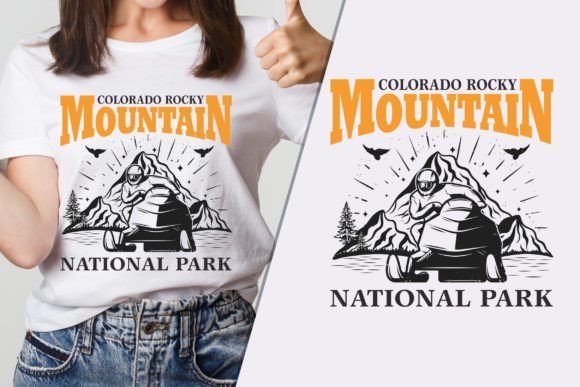
When I first look at the Colorado Rocky Mountain Classic Tshirt design, I immediately get a sense of reliable, grounded style. It doesn’t scream with trendy flashiness; instead, it communicates a quiet confidence. The mountain motif suggests endurance and a connection to nature, a theme that never really goes out of fashion. For an embroidery designer, this is a great starting point. The visual personality feels classic and clean, with a layout that promises good stitch definition. It’s the kind of embroidery design I’d consider for a client who wants something recognizable and well-made, not just a fleeting graphic.
Where This Design Shines in Real Projects
This isn’t just a t-shirt graphic. The strength of the Colorado Rocky Mountain Classic Tshirt lies in its versatility across a wide range of handmade products. Imagine it embroidered on a heavy cotton tote bag for a boutique—the solid imagery would add significant perceived value. On a premium sweatshirt, it becomes a statement piece, perfect for a small shop’s winter merchandise line. I’ve found that designs with this kind of clear, strong theme work exceptionally well for personalized gifts, like a cozy blanket or a nursery decor pillow for a family who loves the outdoors.
For crafters and Etsy sellers, it’s a fantastic asset for holiday gifts or wedding presents for the adventurous couple. As an embroidered patch, it could elevate a simple cap or apron, turning functional items into branded merchandise for a creative business. The design’s adaptability means you can use the same embroidery file to create cohesion across different products—from tea towels in a kitchen line to baby clothes for a “mountain mama” themed collection. This consistency builds customer trust and strengthens your handmade presentation.
Visual Appeal and Stitching Clarity
In practical embroidery, the clarity of the design is paramount. A design like this, with presumably defined shapes, should translate well into satin stitches and fill stitches, maintaining its visual appeal on the finished product. Good stitching clarity directly impacts buyer engagement; a crisp, clean embroidered result looks professional and increases the product’s value. On darker fabrics, with careful thread color contrast planning, this mountain graphic can really pop, making it suitable for a wide array of custom apparel.
Considerations for Successful Embroidery
While the Colorado Rocky Mountain Classic Tshirt design feels robust, its successful application depends on mindful execution. On textured fabrics like some sweaters, or on stretchy fabrics, you’ll need to use proper stabilizer to prevent distortion. Small hoop sizes might be challenging if the design has any extremely dense stitch areas or tiny detailing; it’s crucial to check the required hoop size before committing to a small item like a cap.
Dark fabric backgrounds require a thoughtful thread palette to ensure the design doesn’t get lost. For products that need frequent washing, like kitchen towels or baby items, reviewing the stitch density is key—too dense can make the fabric stiff, too sparse might not withstand wear. Always test the design on scrap fabric first. This simple step lets you inspect small details, confirm color contrast, and see how it behaves on your specific material.
A Practical Scenario: The Boutique Tote Bag
Let’s walk through a real-life scenario. I’m preparing a custom embroidered tote bag for a small shop’s new line. I choose the Colorado Rocky Mountain Classic Tshirt design because it aligns with their brand’s ethos of quality and timelessness. Before stitching, I run it in a black and white mockup to see how the shapes hold up without color, and I compare how it looks on both light and dark fabric samples in my digital product previews. I ensure my machine embroidery file is set for the correct hoop size and that I’m using a stabilizer suited for the bag’s canvas material. The result is a handsome, durable bag that feels like a commercial embroidery project done right—it enhances their brand consistency and has high giftability.
Notes for the Embroidery Designer and Seller
As a professional reviewing this for real use, my final notes are purely practical. This design appears to be a versatile graphics asset. However, always confirm the specifics before starting any embroidery project. Check the actual stitch counts and file formats for your machine compatibility. Crucially, confirm the licensing terms before selling finished items or digital products derived from it. Does it allow for commercial use for your craft business? This step is non-negotiable for Etsy sellers and small shop owners.
- Test First: Never skip the scrap fabric test. It reveals everything about stitch density and fabric interaction.
- Context Matters: This design fits projects where a classic, solid aesthetic is desired. It might not be the best choice for overly whimsical or delicate products.
- Plan for Contrast: Play with thread colors against your background fabric. A good contrast makes the handmade product stand out.
- Think Beyond Apparel: While categorized under T-Shirt Designs, its application on tote bags, pillow covers, and patches can be equally successful.
In essence, the Colorado Rocky Mountain Classic Tshirt design offers a foundation for a wide range of professional-looking embroidery projects. It’s a design that, when stitched with care and forethought, can produce finished products that resonate with customers looking for something enduring and well-crafted. It feels like a reliable tool in the embroidery designer’s toolkit, one that can help build a reputation for quality in your creative entrepreneurship.