A Professional’s Take on the “Easily Distracted by Tractors” Design
Every embroidery designer has a mental checklist when sizing up a new graphic for real project use. It’s not about whether it’s cute or clever on screen; it’s about how it translates into stitches on fabric, how it fits into your workflow, and how it connects with your customers. I’m looking at the “Easily Distracted by Tractors” Classy Tee design with that exact lens.
The First Impression: More Than Just a Pun
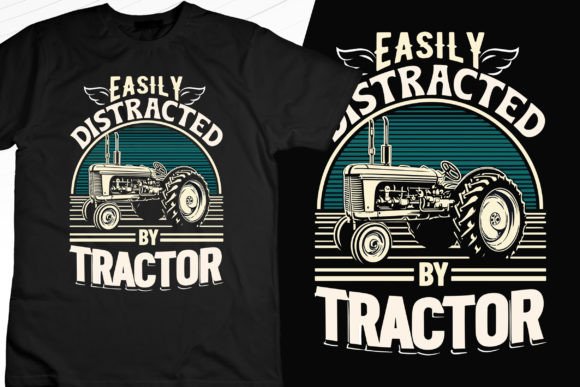
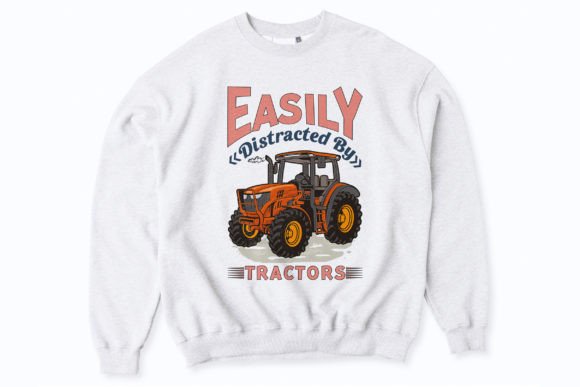
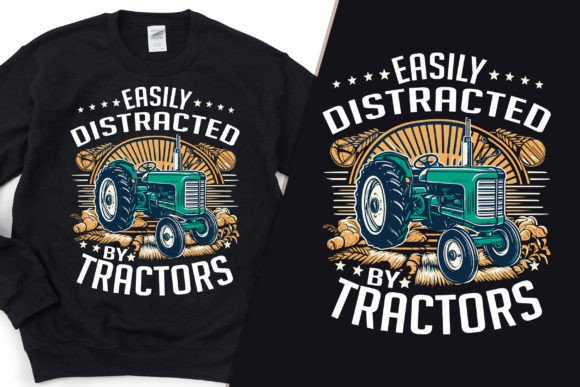
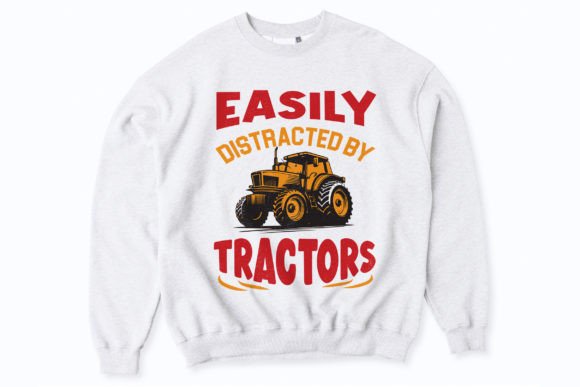
My immediate take is that this is a design with a clear, confident personality. The name itself sets a mood: it’s playful, slightly irreverent, and speaks directly to a niche passion. The layout feels balanced, with a focus on the typography and that central tractor icon. It isn’t overly busy, which is a huge plus for embroidery. A clean, classy graphic like this suggests it’s meant to be a statement piece, not a cluttered novelty. The detail level appears manageable—the tractor looks to have defined lines and shapes that would convert well into satin stitches and fills without becoming a dense, stiff patch on the fabric.
This design naturally belongs to projects where the message is the star. It’s perfect for custom apparel aimed at hobbyists, farmers, or anyone with that specific affection for machinery. It feels like it would work beautifully on a sturdy canvas tote bag for a tractor show, a cozy fleece sweatshirt for a weekend project, or even a personalized apron for someone who loves their shed time. The “classy tee” moniker hints at an aesthetic that’s a step above a basic graphic—it’s aiming for a boutique feel.
Where This Design Shines in Real Projects
Let’s walk through a scenario. Imagine a client request for a custom gift: an embroidered pillow cover for a retiree who’s a lifelong tractor enthusiast. This design is a contender. Its clean lines and focused theme would stitch up crisply on a cotton or linen pillowcase. The text is likely large enough to remain legible in embroidery, and the tractor icon would become a lovely, textured focal point. On a heavy-duty tote bag, it would convey a sense of durable, personal style. For a small business owner selling at a craft fair with an agricultural theme, this embroidered on a high-quality cap could be a standout, conversation-starting item.
In terms of visual appeal and customer trust, a well-executed version of this design speaks to professionalism. When a graphic stitches out cleanly, with good thread coverage and no registration issues, it elevates the entire handmade product. A customer seeing this on a baby onesie as a gift for a tractor-loving parent, for example, would appreciate the clarity and craftsmanship. It feels giftable because it’s specific and heartfelt. For an Etsy seller or digital product seller offering this as a part of their embroidery file collection, it provides a clear, marketable asset—a design with an identifiable audience.
Practical Considerations and Areas for Care
No design is universally perfect, and the practical embroidery designer knows where to proceed with caution. With “Easily Distracted by Tractors,” the main considerations revolve around scale and fabric.
If you’re thinking of a very small hoop size—for instance, on a child’s hat or a tiny patch—you need to check the minimum readable size of that text. Small lettering can become a muddle of stitches if shrunk too much. Similarly, on textured fabrics like a knit sweater or a thick blanket, the finer details of the tractor might lose definition. Stitch density is key here; you want to ensure the fills aren’t so dense that they make the fabric stiff, especially on stretchy tees or lightweight baby clothes.
Dark fabric backgrounds require thoughtful thread color planning. A design like this, which likely relies on contrast, would need a pop of bright or metallic threads on a black sweatshirt to maintain its impact. On curved surfaces like caps, the layout’s balance needs to be checked in a mockup to ensure it sits well over the seam. And for products destined for frequent washing, like kitchen towels or everyday tees, a robust stabilizer choice and secure stitching are non-negotiable to preserve that classy look.
The Embroidery Designer’s Pre-Stitch Checklist
Before I’d ever load this file for a client project or my own craft business merchandise, here’s my real-world workflow.
- Test on Scrap First: Always stitch a sample on a scrap of the intended fabric. This reveals true stitch count, thread color interaction, and any potential registration hiccups.
- Contrast is King: Review the design in both black-and-white and color mockups. Does it hold its form without color? How does it look on light vs. dark backgrounds?
- Hoop and Stabilizer: Confirm the physical hoop size needed for the desired final size. Match the stabilizer to the fabric weight and stretch—a tear-away for stable totes, a cut-away for stretchy polos.
- Detail Inspection: Zoom in on the digital file. Are there any tiny corners or overly complex overlaps in the tractor graphic that might challenge the machine?
- License and Use: Crucially, verify the licensing terms. Is this embroidery file cleared for both personal projects and commercial use, like selling finished tote bags or baby blankets in your small shop? Never assume.
This process turns a promising graphic into a reliable asset.
Final Thoughts on Fit and Value
The “Easily Distracted by Tractors” Classy Tee design, from a professional standpoint, is a solid choice for targeted projects. It doesn’t try to be everything for everyone, which is its strength. Its value lies in its clear audience appeal and its embroidery-friendly composition. For the maker, it reduces guesswork; for the end customer, it delivers a personalized, well-made product with a recognizable charm.
Whether you’re preparing holiday gifts for the tractor lovers in your life, adding a unique offering to your boutique’s line of embroidered pillow covers, or building your digital product catalog as a creative entrepreneur, this design merits consideration. Its success, as always, hinges on that practiced, pre-flight checklist—transforming a good graphic on screen into an excellent, stitched reality.